Artquest 30/30 Day 4: A cold morning on Rannoch Moor

So today I am back in my box of cyanotypes but this time, made from digital photographs and the plan is to bleach and tone, then weave with the original image that the cyanotype print was made from.

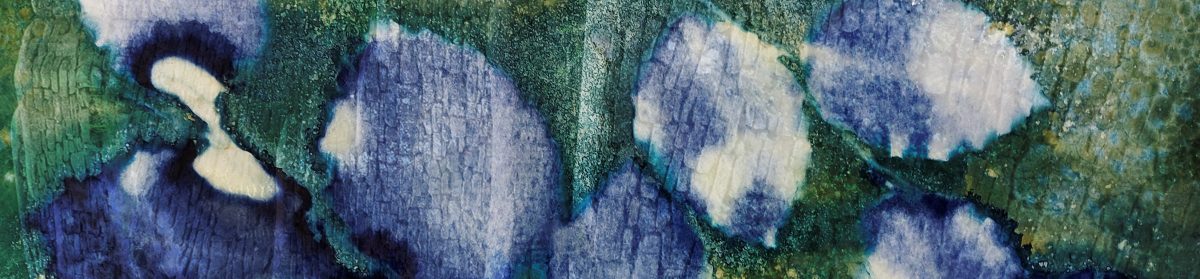
The bleaching and toning process is a little more scientific this time, though to be honest the outcome is still not predictable. My research tells me that one of the best solutions for bleaching is sodium carbonate or washing soda which is readily available in supermarkets, not in the Forest of Dean it seams! However a little hardware store came up trumps. 1 teaspoonful of the soda crystals to 1 litre of water and watch it like a hawk my research also told me. It took no more than 15 minutes to bleach the print. Again my toning agent was green tea. 10 teabags left to brew in 250 ml boiling water for 10 minutes than another 1 1/2 litres cold water added. It can take anything from 2 to 8 hours to get the desired effect, mine took nearly 3 hours to achieve what I wanted.
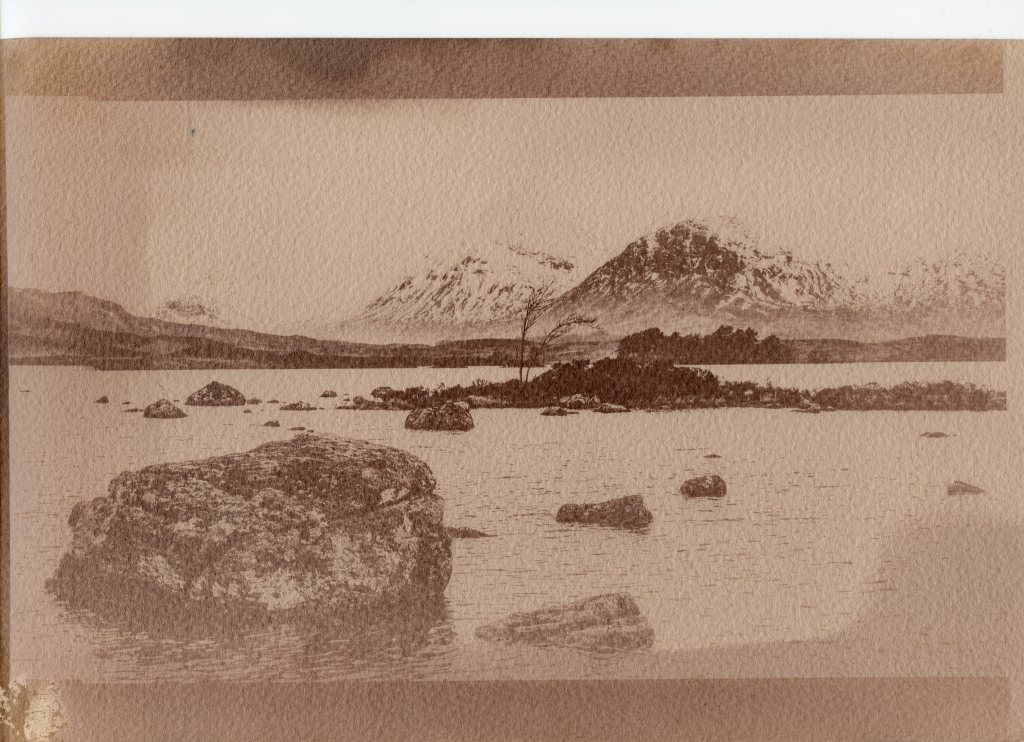
Weaving with the original image was the second stage of the process and I decided to go with the l cyanotype that I had dyed rather than uploading and reprinting it. This meant though, that I was weaving 2 papers of different weight and textures. As the cyanotype was made on heavier water colour paper, I used that as the base, slicing down from the border at the top, right to the bottom, whilst the original photograph, printed on lighter weight matt photo paper, was sliced into strips horizontally. Although both images had started off exactly the same size, I was worried that the repeated wetting of the cyanotype may have caused it to shrink and there are one or two areas of the final print that aren’t quite aligned, although it could just be that I needed to take more care! It was a god starting point though and as a first attempt, I was reasonably happy..
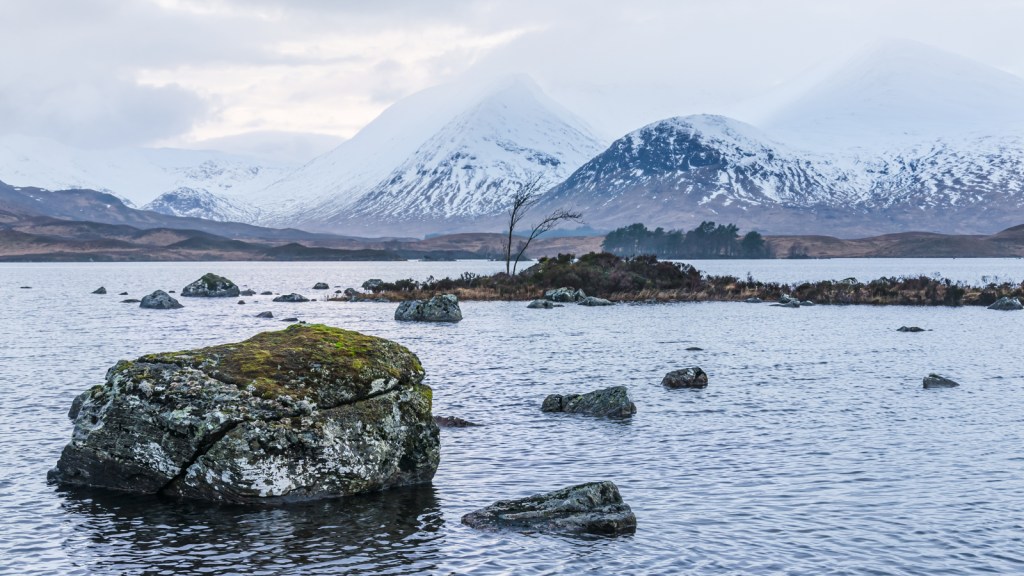
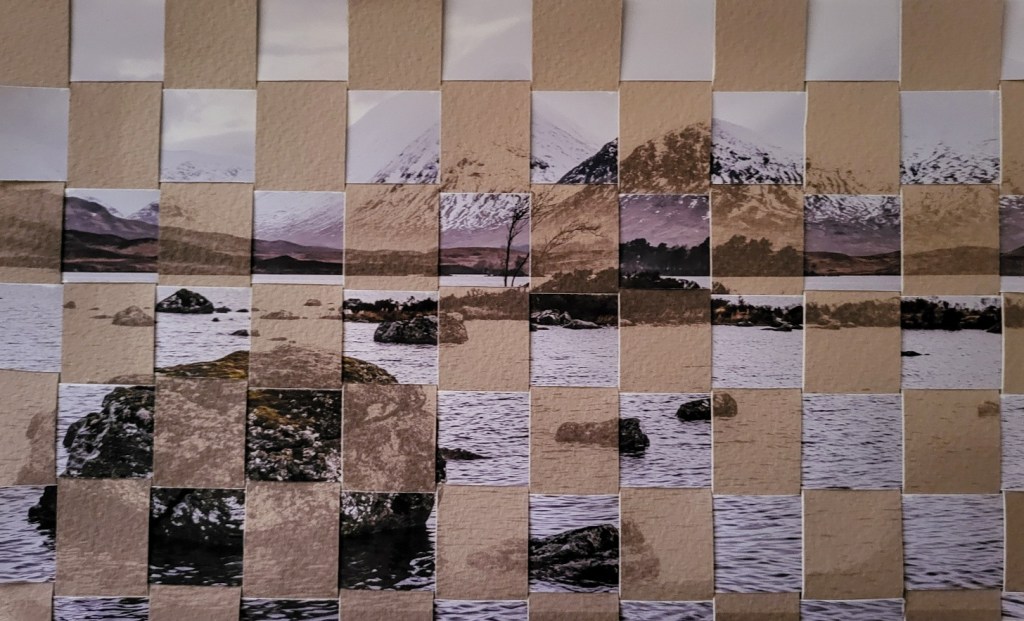
For the future, I think it would be better to scan in the toned cyanotype and print the 2 images on the same paper, making it easier to align and softer to weave.
RPS Annual Members Exhibition 2023

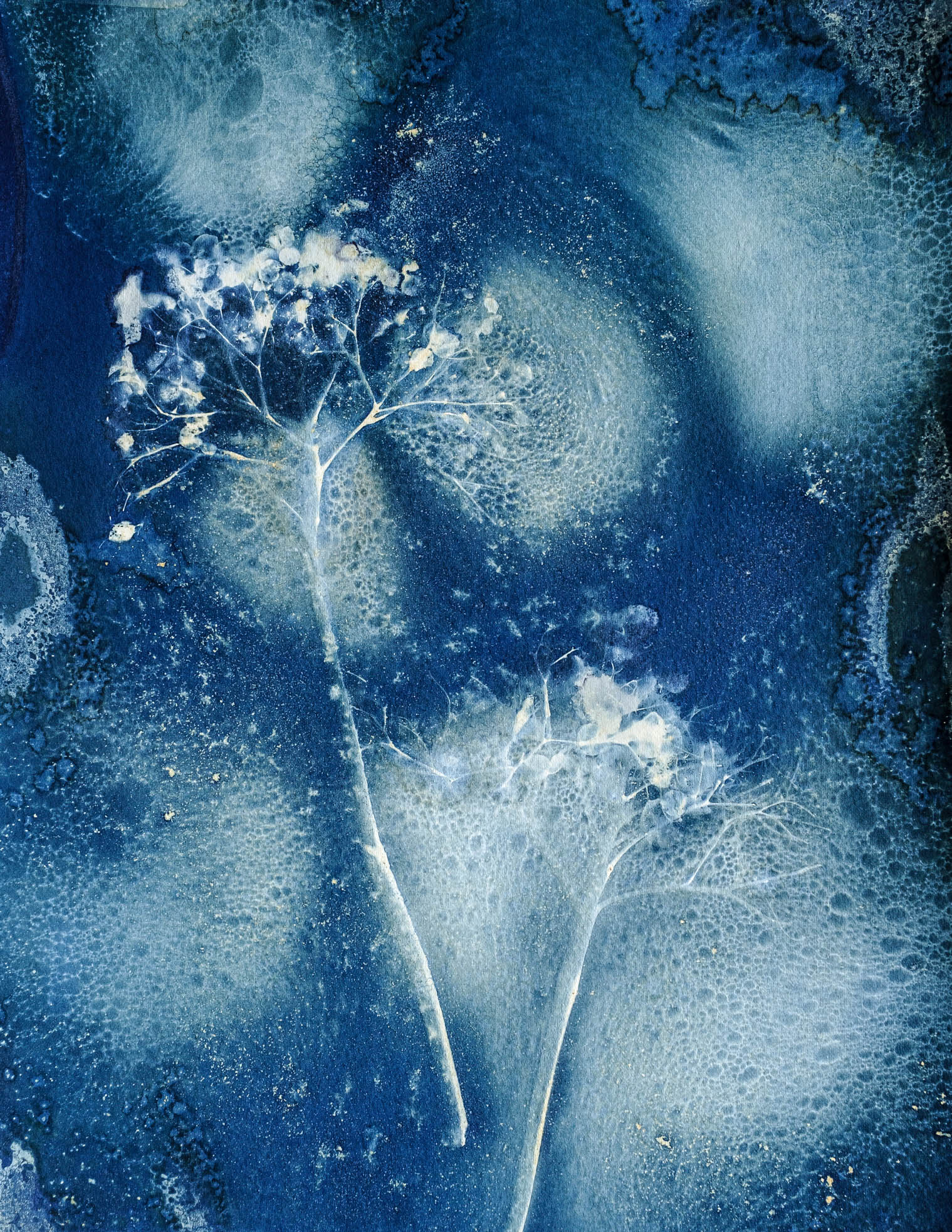
Having been a member of the RPS for some years, I always get the annual email through inviting me to submit for the annual members’ exhibition and each year I ignore it. No reason other than I never think I have anything worth submitting and never really get round to doing anything about it. Over the last few years however I have really enjoyed experimenting with cyanotypes, particularly the wet process as you never quite know what you’re going to get and this time, when the email came in, I thought, why not? I submitted 5 cyanotype images, all of which camera club judges had been scathing about, but the RPS really does seem to be embracing alternative processes. I mentioned in an earlier post the exhibition I visited back in November and I also know that last year, a panel of cyanotypes was awarded an ARPS distinction, so I uploaded the images and then forgot about it.

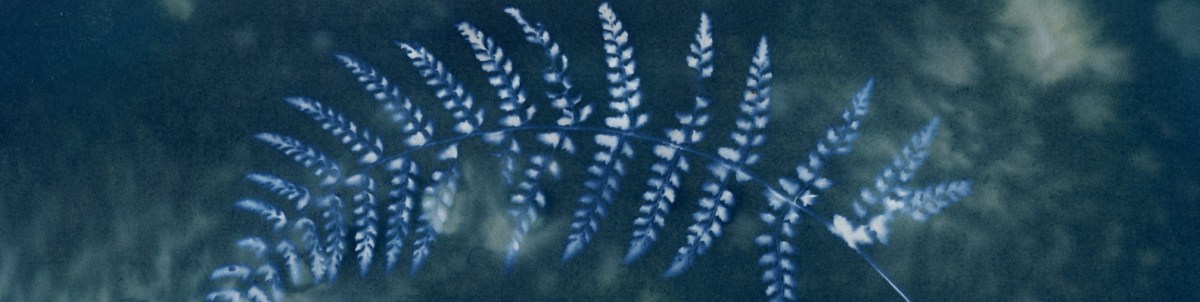
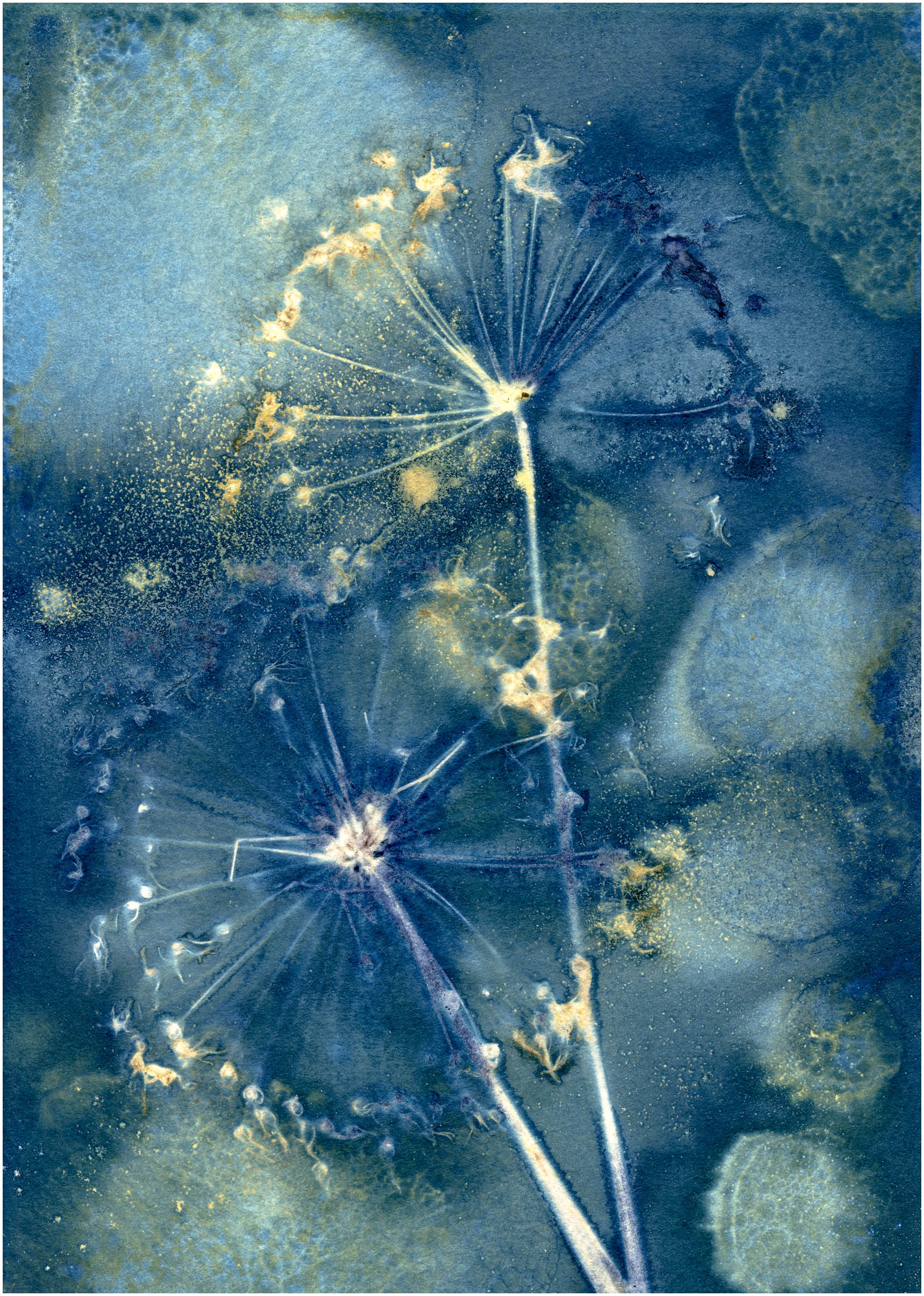
Then, surprise, surprise, in April, I had an email advising me the that some of my images had been selected for the exhibition. I wasn’t told at this point which ones. I was asked not to announce my success on social media yet, and then nothing for another month or so. Then, towards the end of May, I had confirmation about which images had been selected along with a request for high resolution images and more information and here they are.

To say I was delighted is an understatement. 3500 entries and I have two of the 80 selected.

The RPS Summer Exhibition opens on 1st July and runs to 31st August 2023 at:

RPS House
337-340 Paintworks
Arnos Vale
Bristol
BS4 3AR

https://rps.org/se

Its been a funny old time

It is now nearly 6 month since my last post, so much for new year resolutions! I had resolved to document my work too, another good intention down the drain but to be fair it has been a strange time and I don’t suppose I’m along in lacking motivation and discipline.

I have continued to experiment with cyanotypes, particularly the wet process, loving the randomness of the outcomes, never quite knowing what the result would be and I started really well, recording the exposure times, type of paper Io had used, any additives, etc. on the back of the print but that soon fell by the wayside and I now have a pile of prints and have to try to remember how I made them. Having spent the best part of 10 years working through OCA photography courses and wondering what the point was of keeping a blog and a sketchbook because they do the same thing don’t they? I now appreciate the difference.

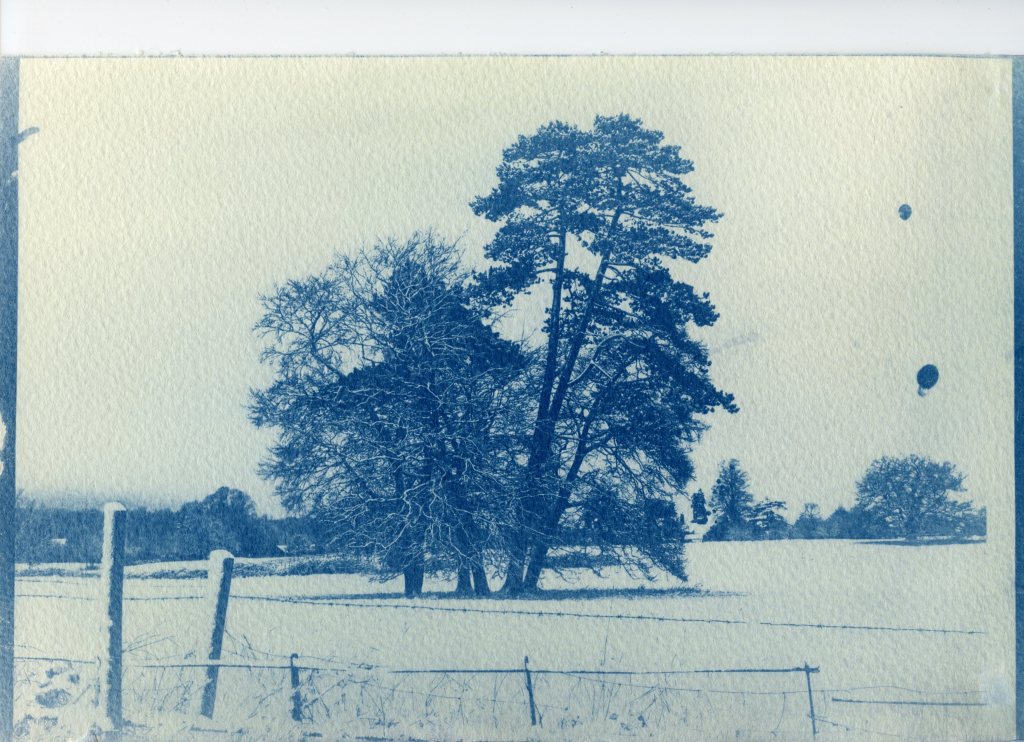
So here we are 6 months on. I had intended this blog to be a fairly comprehensive record of my work as it was for my OCA courses but whilst I want to get to my current position, it would take to long to backtrack and put it all in. So, I will spend the next few posts sampling and recording highlights and take it from there. In the meantime to go back to January, this is a favourite clump of trees at the bottom of our lane, photographed in the snow in January, converted to a black and white negative and printed onto transparency film.

Exposed for 14 minutes on St Cuthberts Mill Saunders Waterford 100% cotton 300gm Acid Free

This is one where I did write the details on the back of the print, it makes such a difference!

Exploring cyanotype

Over the last few months I have been experimenting with cyanotypes with varying degrees of success. I started with a kit which included the ready prepared chemicals as well as paper and instructions and from there have progressed to the ‘wet’ process which I find fascinating, though unpredictable. Initially my images were quite dark until it was pointed out to me that I was probably over exposing the prints, however a test strip at the start of each session has rectified that – at least with the traditional ‘dry’ process. This isn’t quite so easy with the wet process though as the required exposure time is longer.

Recently, I have experimented adding different mediums to the treated paper, vinegar, turmeric, soap suds etc., and the results have been quite pleasing, though still unpredictable and I have to say I have been a bit tardy when it comes to keeping an accurate record of my experiments. My intention is that this blog will provide the vehicle for proper record keeping as well as displaying my work

My first post

This blog has been a long time coming. I started setting it up back in April 2020, a month into the first lockdown, thinking I would have plenty of time to get it up and running at a time when there was little else to do. Ten months later I have decided that I either need to get on with it or abandon it altogether. I have decided on the former, so here we go!